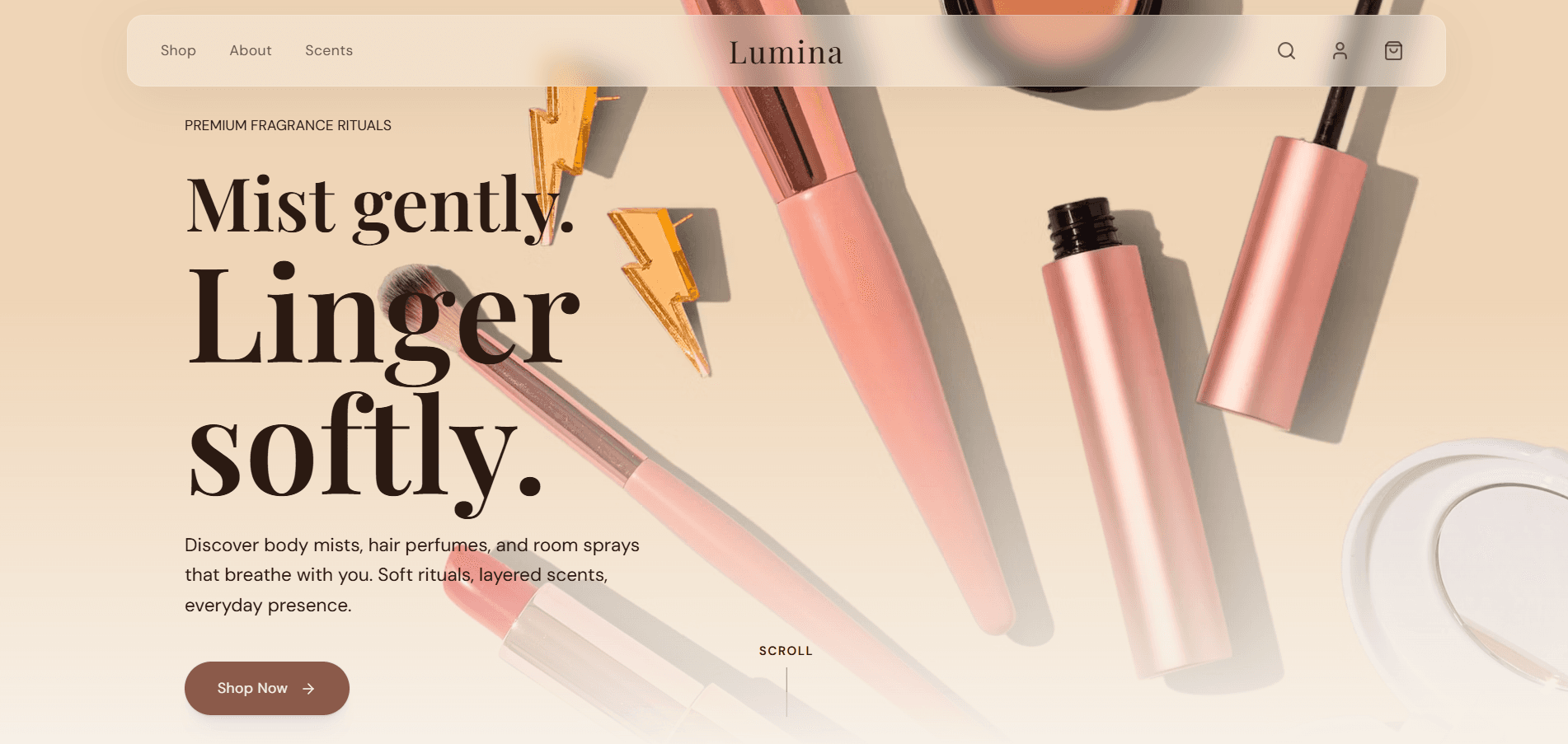
The best website template is not the one with the most pages or decoration. It is the source package that matches the product goal, supports the real content, and remains understandable after the first visual changes are complete.
Begin With The Job Of The Website
A storefront needs product discovery, trustworthy product detail, cart and checkout paths, while a SaaS launch page needs clear positioning, proof, pricing, and conversion. A portfolio needs project storytelling and a fast contact path. Write down that primary job before comparing styles.
Treat every included page as a maintenance commitment. A smaller package with the right page types is usually a better starting point than a large demo filled with sections the business cannot support.
Compare Content Structure Before Color
Review how headings, supporting copy, media, testimonials, feature groups, and calls to action are organized. Replace the demo content mentally with the real product content and check whether the hierarchy still makes sense.
A reusable template should remain clear when titles become longer, images use different aspect ratios, and sections contain fewer or more items than the demo.
Verify Technology And Ownership
Confirm the framework, language, styling system, dependency versions, build command, and expected hosting environment. The team should be able to run, inspect, and update the source without depending on an undocumented generator.
Read the license and purchase scope before checkout. One-template access, all-template bundles, HTML source bundles, and component-library access solve different ownership needs.
Inspect Mobile, Accessibility, And Performance
Use the live preview at mobile and desktop widths. Test navigation, forms, dialogs, keyboard focus, text wrapping, image loading, and empty states rather than judging only the first screenshot.
Prefer layouts that reserve media dimensions, keep client-side JavaScript focused, and use semantic page structure. These fundamentals matter more to users and search engines than decorative motion.
Plan The First Production Pass
Before launch, replace every placeholder, connect forms and analytics, configure metadata and redirects, verify consent behavior, and test the deployed domain. Keep these tasks separate from visual customization so important operational work is not forgotten.
A strong template shortens the path to production; it does not remove the need for content, integration, security, and release testing.
Explore more on mtverse
Browse dashboard, ecommerce, SaaS, landing page, portfolio, and HTML templates, or explore reusable UI component source.